
When Is the Best Time to Go on Safari? A Seasonal Guide
When Is the Best Time to Go on Safari?
It's probably the first question almost everyone asks. "When is the best time to go on safari?"
It's a sensible question. After all, if you're investing in what may become one of the most memorable journeys of your life, naturally you want to know when Africa is at its very best.
The answer, however, is probably not what you expect. There isn't one, in fact, after years of travelling across Africa and speaking to guides who have spent decades in the bush, I've become convinced that asking for the best time is a little like asking when the best time is to visit the sea.
At sunrise? On a calm summer's evening? During a dramatic winter storm? The sea is always the sea, it simply tells a different story depending on when you arrive.
Africa is no different, the landscapes change, and the wildlife behaves differently. Rivers rise and fall, birds migrate across continents, predators adapt to the seasons, while millions of animals follow ancient routes that have existed for thousands of years. The magic isn't that one season is better than another.
It's that every season reveals a different version of Africa and understanding that changes the way you plan a safari forever.
Every safari begins with the same question, but not the same answer
One traveller dreams of witnessing thousands of wildebeest crossing crocodile-filled rivers while another wants to photograph elephants walking through lush green floodplains beneath dramatic storm clouds. Someone else hopes to sit quietly with mountain gorillas, while another simply imagines enjoying a gin and tonic as giraffes wander past their lodge at sunset.
They're all asking the same question,"when should I go?"
Yet the answers are completely different. That's because the timing of your safari should never be driven by a calendar alone, it should be driven by the experience you're hoping to have. The best safari isn't found in a particular month. It's found when your expectations and Africa's rhythm happen to meet.
Still unsure which season is right for you? That's perfectly normal. The best safari isn't about choosing the "right" month. It's about matching the experience to what you most want to see and feel. If you'd like some expert guidance, I'm always happy to talk through the options. → [Start planning your safari]
The dry season. Africa at its most iconic.
If you've watched documentaries narrated by Sir David Attenborough, chances are you've seen Africa during the dry season.
Golden grass stretches towards the horizon. Rivers become lifelines for wildlife. Vegetation thins, making it easier to spot predators resting beneath trees or elephants gathering around permanent waterholes. This is the classic safari many people imagine.
Wildlife viewing is often exceptional because animals naturally concentrate around the resources they need most. For first-time visitors hoping to maximise their chances of seeing the Big Five, it's easy to understand why these months are so popular.
But popularity comes with compromise, flights are busier, the finest camps book many months, sometimes more than a year, in advance and prices reach their highest levels.
Some famous sightings may attract several vehicles, particularly in national parks. It's still extraordinary, just remember that you're sharing Africa with many others who had exactly the same idea.
Then the rain arrives...
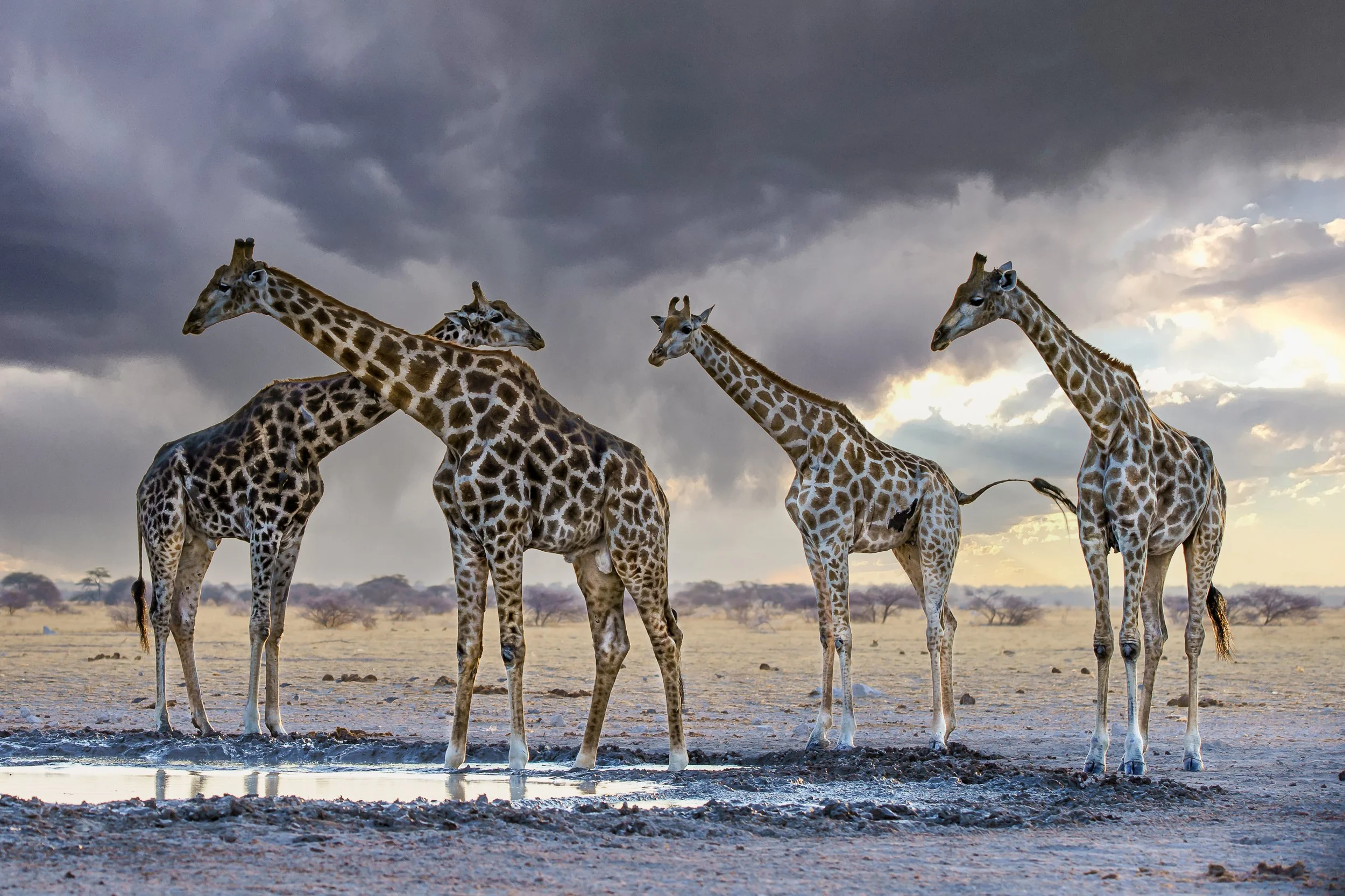
To some people, the words rainy season sound like something to avoid, in reality, it may be one of Africa's best-kept secrets, the first storms bring the landscape back to life almost overnight.
Dusty plains become rich shades of emerald green, wildflowers appear, acacia trees burst into colour and birdsong fills the air as migratory species arrive from across Europe and Asia.
Then comes perhaps the most beautiful part of all, new life and many herbivores give birth during this period, creating an abundance of vulnerable young across the plains.
For photographers, the softer light, dramatic skies and vibrant colours can produce some of Africa's most spectacular images and for travellers, the atmosphere feels completely different.
Calmer, greener and more intimate. There may be occasional afternoon showers, but they rarely define the experience, instead, they become part of it.
The season many people never consider
Some of the finest safaris don't happen during peak season or the lush green months, they happen quietly in between. The shoulder seasons often offer one of the best balances of wildlife, weather and value, visitor numbers are lower, temperatures are often wonderfully comfortable and the landscape still holds much of its colour while wildlife viewing continues to improve as conditions gradually become drier.
For experienced safari travellers, these months are often favourites precisely because they receive less attention, the experience feels more relaxed guides have more flexibility and camps feel quieter. Sometimes the greatest luxury isn't staying somewhere more expensive it's simply having fewer people around to share it with.
The Great Migration doesn't happen in July
One of the biggest misconceptions in safari is that the Great Migration has a single season, it doesn't, it never stops moving.
More than two million wildebeest, zebra and gazelle spend the entire year following rainfall across the Serengeti and Maasai Mara ecosystems, that means the migration is always happening somewhere, the challenge isn't choosing the right month and it's knowing where the herds are likely to be.
One season may be famous for dramatic river crossings, another for calving season, when thousands of young wildebeest are born within a matter of weeks. Later in the year, the vast herds spread across completely different landscapes, and understanding these movements transforms the experience.
It also explains why some of Africa's finest camps move with the migration itself, allowing guests to stay remarkably close to nature's greatest wildlife spectacle.
Wildlife follows its own timetable
The more time you spend in Africa, the more you realise wildlife pays very little attention to human calendars.
Leopards don't know it's August, elephants don't care that it's peak season and nature follows its own rhythm.
That's why choosing your safari should begin with the animals that excite you most.
Elephants.
Big cats.
Birdlife.
Wild dogs.
Gorillas.
Penguins.
Whales.
Each has its own season, its own habitats and its own moments when sightings become particularly rewarding. Once you understand what inspires you, choosing when to travel becomes far simpler.
So... when should you go?
Perhaps the better question isn't when, perhaps it's why.
Why do you want to experience Africa? What have you imagined since that very first photograph caught your attention? What story do you hope you'll be telling when you return home? Because once those answers become clear, the timing often reveals itself naturally, the perfect safari isn't about travelling in the most popular month and it's about travelling at the moment that brings your own vision of Africa to life.
There is no wrong season. Only different stories.
One of the things I love most about safari is that Africa never stands still, visit the same place six months later and it can feel like an entirely different destination. The colours have changed, the sounds are different, animals have moved, youngsters have grown and the bush tells a completely new story. Perhaps that's why so many people who visit Africa once find themselves returning again and again. Not because they missed something, but because they discovered there is always another season waiting to surprise them.
So, when is the best time to go on safari? The answer hasn't changed, there isn't one. There is only the season that's right for your safari and that is where the journey really begins.
Africa changes with every season, and every safari tells a different story. When it's designed around your interests rather than a generic itinerary, that's when the magic really happens.