
Planning a Safari: 8 Decisions to Make Before You Book
Thinking About Going on Safari? Here’s What You Need to Decide First
For many people, a safari begins long before they arrive in Africa.
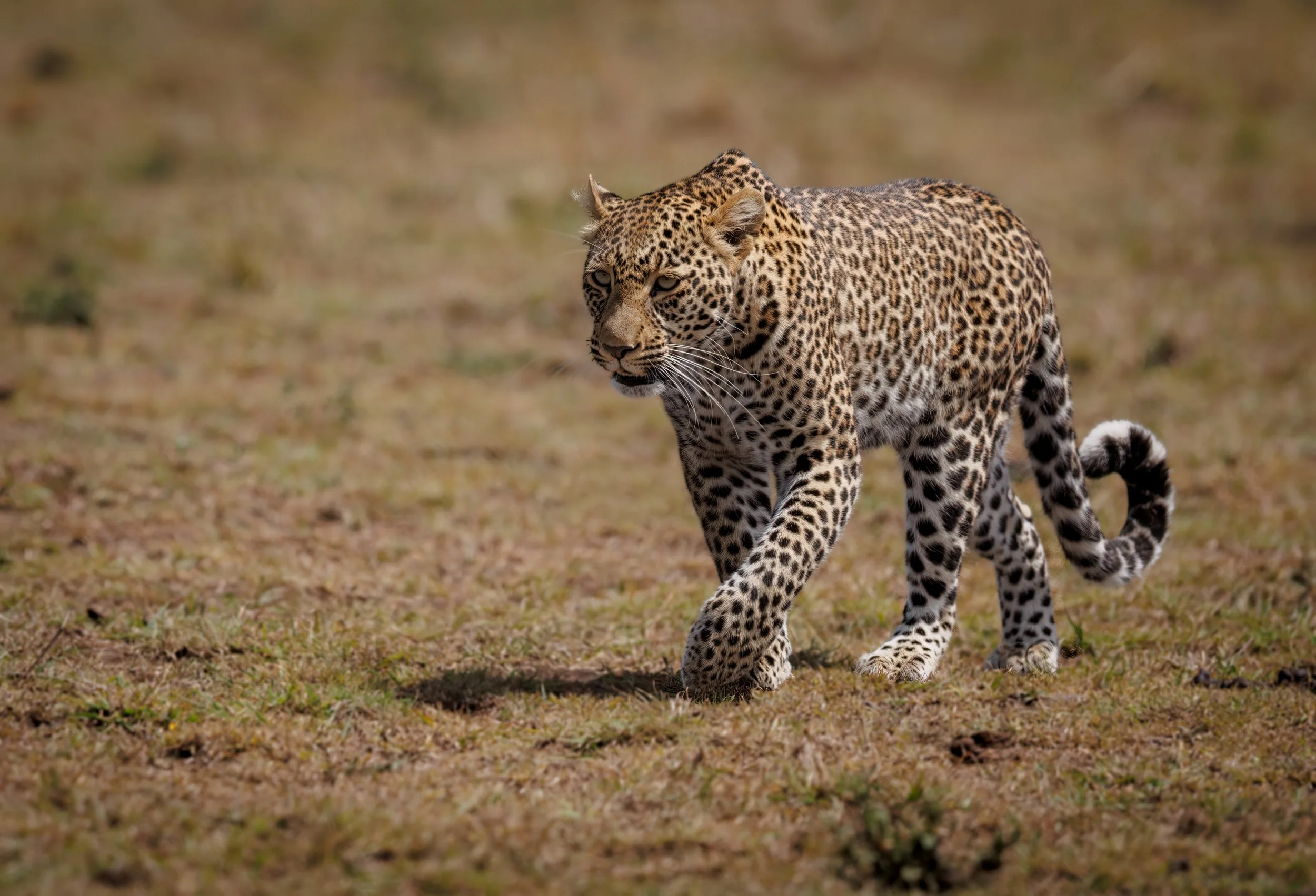
It starts with a photograph that catches their attention. Perhaps it's a leopard resting effortlessly in the branches of a marula tree, a herd of elephants crossing the Okavango Delta as the sun rises, or a pride of lions silhouetted against an endless orange horizon. Somewhere between that first image and the next documentary, magazine article or conversation with friends, the thought quietly takes hold.
"One day, I'd love to do that."
Unlike many holidays, a safari rarely begins with a destination. People don't usually wake up and decide they simply want to visit Botswana or Tanzania. They want to experience something they can't quite put into words. They want to hear lions calling in the distance before dawn. They want to watch a family of elephants pass so close they can hear them breathing. They want to disconnect from everyday life and reconnect with something far older, quieter and infinitely more powerful.
Then the planning begins.
Within an hour, you can find yourself comparing Kenya with South Africa, reading about luxury tented camps, trying to understand the Great Migration, wondering whether July is better than November, and asking yourself whether you should stay in a national park or a private conservancy.
It can feel surprisingly overwhelming. Yet that feeling is also the beginning of what makes safari so extraordinary.
The reality is that there isn't a single perfect safari waiting to be booked. There are thousands of possible journeys, each offering something completely different. The decisions you make before you travel don't complicate the experience, they shape it. They determine whether your safari becomes an action-packed adventure, a slow immersion into the wilderness, a family celebration, a romantic escape or a journey that changes the way you see the natural world.
That is why no two safaris should ever be the same.
The first question isn't where. It's why.
One of the biggest misconceptions about safari is that choosing a country is the most important decision.
In truth, it is much more useful to start by asking yourself a different question, “What are you hoping to feel?”.
Some travellers dream of seeing the Great Migration. Others have spent years imagining their first encounter with a mountain gorilla. Some are photographers hoping for dramatic predator sightings, while others simply want to wake each morning to uninterrupted views across the African wilderness with nowhere else they need to be.
Those aspirations naturally lead you towards different destinations.
If you've always imagined vast golden plains scattered with acacia trees, Kenya and Tanzania may immediately capture your imagination. Their landscapes have become synonymous with the classic image of safari and remain among the finest places on Earth to witness wildlife on an astonishing scale.
If your idea of luxury is privacy, exclusivity and feeling as though you have the wilderness almost entirely to yourself, Botswana offers something remarkably different. Here, strict limits on visitor numbers mean the experience often feels quieter, more intimate and deeply immersive.
South Africa combines exceptional wildlife with world-class food, wine and hospitality, making it an ideal choice for travellers wanting to experience several different styles of holiday in one journey. Namibia offers dramatic desert landscapes unlike anywhere else on the continent, while Rwanda invites visitors into mist-covered forests for one of the world's most moving wildlife encounters.
None of these destinations is objectively better than another.
They're simply different. Choosing the right one is about understanding the story you want your own journey to tell.
Planning a safari can feel overwhelming, especially when every destination, season and lodge offers something different. If you'd like impartial advice on creating a safari that's tailored to you, I'd be delighted to help. → [Start planning your safari]
Wildlife isn't just about ticking off the Big Five
Many first-time safari travellers arrive with a list.
Lion
Leopard
Elephant
Rhino
Buffalo
Seeing the Big Five is undeniably exciting, but one of the most surprising things happens once you're actually there, the list quietly disappears.
Instead, you begin noticing things you never expected to matter, the patience of an elephant matriarch leading her family towards water, a pair of cheetah cubs learning to stalk for the first time, the extraordinary colours of birds you've never heard of before, the silence that settles across the bush as the sun begins to set.
You realise safari isn't simply about seeing animals, it's about observing behaviour, waiting, watching and returning to the same place later that afternoon because something tells your guide the story isn't over yet.
Those moments can't be guaranteed, but they become far more likely when every other part of the journey has been designed well, the right region, guide, season and the right amount of time.
These are the details that transform a good safari into an unforgettable one.
Time changes everything
Perhaps the question I'm asked more than any other is, "When is the best time to go on safari?" People are often surprised when I tell them there isn't one.
Africa changes constantly throughout the year, in the dry season, vegetation becomes thinner, making wildlife easier to spot as animals gather around rivers and waterholes. This is the iconic safari many people imagine and the green season tells a completely different story.
Rain transforms the landscape into vibrant shades of green, new life appears everywhere as many animals give birth, migratory birds arrive in spectacular numbers, and photographers often find the softer light and dramatic skies even more rewarding than the dry months.
Then there are the shoulder seasons, often overlooked yet offering an exceptional balance of value, fewer visitors and wonderful wildlife, the best time isn't determined by the calendar, it's determined by your priorities.
If river crossings during the Great Migration have always been on your bucket list, timing becomes incredibly important. If your dream is photographing elephants against dramatic stormy skies or enjoying quieter game drives with fewer vehicles around each sighting, your perfect month may be completely different. Understanding that difference is one of the reasons thoughtful planning matters so much.
Luxury means experiencing Africa differently
When people hear the words "luxury safari", they often imagine lavish suites, beautiful interiors and exceptional food, those things certainly exist, and some of Africa's lodges rival the finest hotels anywhere in the world.
True luxury on safari is rarely about thread counts or marble bathrooms, luxury is having time, flexibility, or watching a leopard for another twenty minutes because nobody needs to rush away.
It's enjoying breakfast in the bush instead of hurrying back to camp, it's knowing your guide understands your interests well enough to quietly adjust the day without needing to ask.
One of the reasons higher-end safaris feel so different isn't because they're more extravagant, it's because they remove compromise. Smaller camps often mean fewer vehicles and private conservancies allow greater flexibility than many national parks.
Exceptional guides notice details others miss, thoughtfully designed itineraries reduce unnecessary travel, giving you more time exactly where you want to be and the experience becomes calmer, richer and infinitely more personal.
Your accommodation becomes part of the story
It's easy to think of accommodation simply as somewhere you'll sleep between game drives, on safari, it becomes one of the defining parts of the journey. A beautifully designed lodge overlooking a waterhole allows wildlife to come to you, luxury tented camps create a wonderful balance between comfort and immersion, where the sounds of the wilderness remain just beyond the canvas walls.
Private villas offer space for families or groups travelling together, while mobile migration camps move with nature itself, placing you close to one of the world's greatest wildlife spectacles, each creates a different atmosphere and encourages a different pace.
One evening you might enjoy fine dining beneath lantern-lit trees, the next, you could be sitting around a campfire listening to your guide explain the constellations above you.
Neither experience is better, they're simply different chapters in the same story.
Slow safaris create the greatest memories
Perhaps the biggest surprise for many travellers is discovering that the finest safaris aren't always the busiest, there's often a temptation to fit everything into one itinerary.
Three countries, five camps, endless flights and a different destination every two nights. It sounds impressive, in reality, safari rewards those who slow down.
Returning to the same waterhole over several days allows you to notice how the rhythm of the bush changes, spending longer with one outstanding guide creates conversations that become every bit as memorable as the wildlife itself.
Leaving space within the itinerary allows those unexpected moments to happen naturally, a leopard appears while you're enjoying breakfast, A herd of elephants walks through camp or a guide suggests staying longer because he has a feeling something extraordinary is about to happen.
Those moments rarely appear on an itinerary, yet they are often the stories people tell for years afterwards.
The best safari isn't the most expensive
One question naturally follows, why do safari prices vary so much? The answer is rarely found in the room itself, more often, it's found in everything surrounding it.
Exclusive wildlife areas.
Outstanding guiding.
Exceptional conservation.
Smaller camps.
Fewer vehicles.
More flexibility.
Better positioning.
Seamless logistics.
Greater privacy.
Thoughtful service that quietly anticipates what you need before you've realised it yourself.
Luxury isn't about adding unnecessary extras, it's about removing the compromises that prevent extraordinary experiences from unfolding naturally. That doesn't mean everyone needs the most expensive safari available, it means understanding where investing a little more genuinely transforms the experience.
Sometimes that's choosing a better guide, staying in a private conservancy or adding an extra night instead of another destination and knowing where those investments matter most is what turns a holiday into something far more meaningful.
Every safari should feel as though it was designed for one person
The more time I spend planning safaris, the more convinced I become that there is no universal "perfect itinerary." Ask ten experienced safari travellers about the best trip they've ever taken and you'll probably hear ten completely different answers, some will remember watching the Great Migration, others will speak about gorillas in Rwanda, some will describe drifting silently through Botswana's waterways at sunrise and some others won't mention wildlife first at all.
However they'll remember the guide who became a friend, the campfire conversations, or the feeling of complete stillness as Africa slowly woke around them, that's the beauty of safari. Every journey becomes deeply personal, The best safari isn't the one somebody else recommends, it's the one that reflects your curiosity, your pace, your interests and the way you want to experience the world.
That's why the planning is never simply about choosing a country or booking a lodge, it's about discovering the experiences that will stay with you long after you've returned home and perhaps that's the most exciting part of all, because somewhere out there, your safari already exists. It just hasn't been designed yet.
Every remarkable safari begins with a conversation. Whether you're dreaming of seeing the Great Migration, tracking leopards in Botswana or planning your very first safari, I'd love to help you design a journey that's completely your own.